Common Ice Maker Issues and Restaurant Ice Maker Repair Tips

Have you noticed your restaurant’s ice maker struggling to keep up with demand or making strange noises? For busy restaurant owners in Vicksburg, MS, a malfunctioning ice machine can create major disruptions. Efficient ice production is essential for food safety, customer satisfaction, and smooth daily operations.
This article explores the most common ice maker issues, their causes, and how timely restaurant ice maker repair in Vicksburg, MS, can keep your business running without a hitch.
Common Commercial Ice Maker Issues
Many restaurant owners encounter similar problems with their ice machines. Knowing what to look for can help you identify issues early and decide on the best course of action.
Low Ice Production
If your ice maker is producing less ice than usual, it can disrupt your business flow. Common symptoms include longer ice production cycles, smaller ice cubes, or a complete halt in ice output. Seasonal temperature changes and increased usage during peak hours can strain the machine, but persistent low production usually signals underlying problems that need attention.
Leaks and Water Pooling
Finding water pooling under or around your ice maker is a clear sign that you may need restaurant ice maker repair. Leaks not only create slip hazards in the kitchen but also often indicate damaged water lines, improperly sealed connections, or clogged drain lines. If left unaddressed, water damage can harm surrounding equipment and flooring, leading to costly repairs.
Strange Noises
Unusual noises such as grinding, buzzing, or rattling often point to mechanical faults within your ice maker. These sounds might be caused by loose components, worn-out motors, faulty fans, or compressor problems. Ignoring strange noises risks sudden equipment failure, which could interrupt your service for days.
Cloudy or Poor-Quality Ice
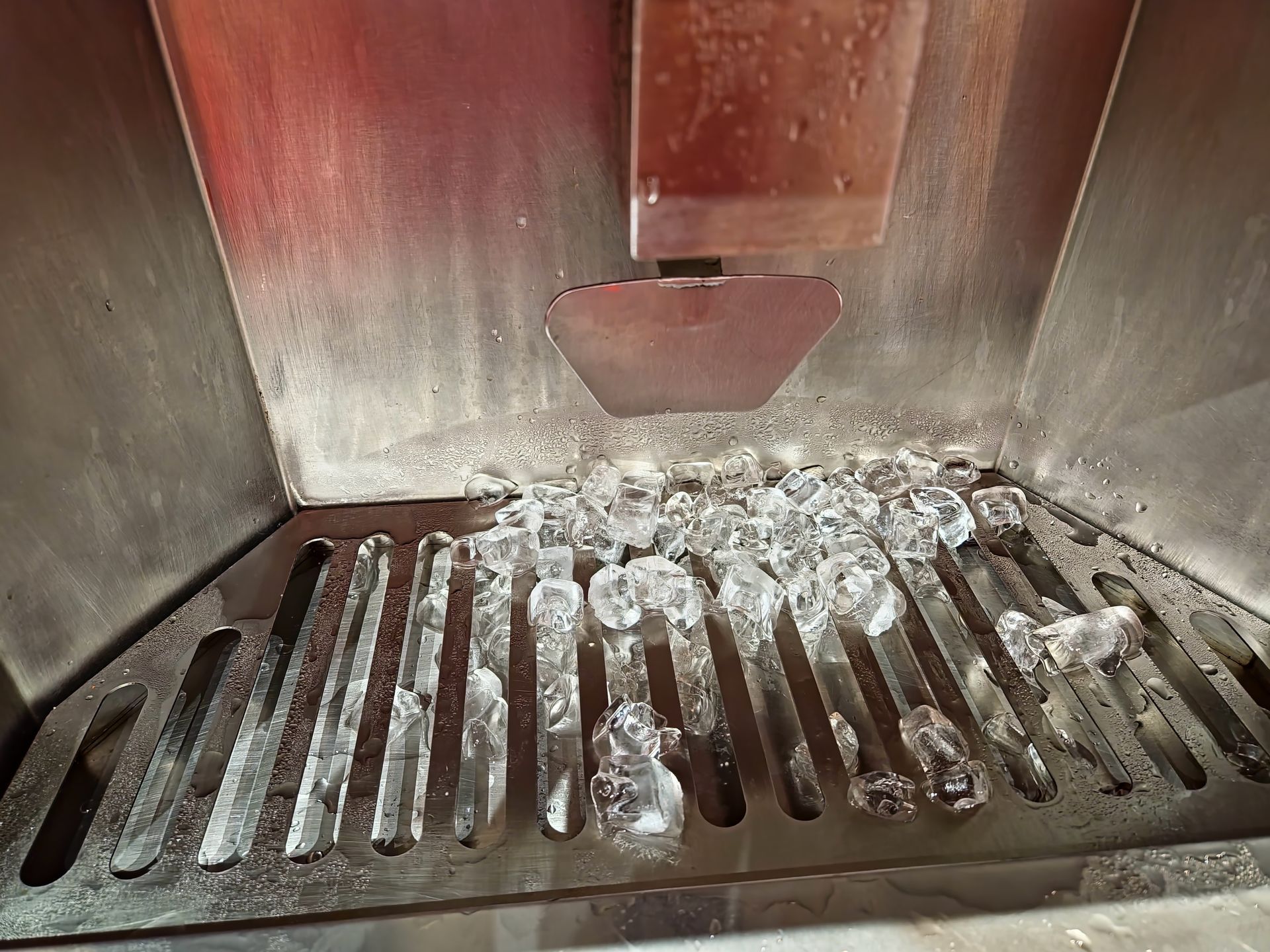
The appearance and taste of your ice reflect the quality of your water supply and filtration system. Cloudy or spotted ice suggests mineral deposits or impurities in water. This is often caused by dirty or old filters, but it could also indicate a need for internal cleaning to remove scale buildup. Using low-quality ice can harm your restaurant’s image and potentially affect food safety.
What Causes These Issues?
Understanding the root causes helps restaurant owners perform basic maintenance and know when to call for professional restaurant ice maker repair:
- Dirty Filters: Water filters collect minerals and sediments over time, which can clog the system and impact ice clarity and production speed.
- Worn Components: Continuous operation causes mechanical parts such as motors, compressors, fans, and valves to degrade, potentially resulting in inefficient performance or breakdowns.
- Water Line Problems: Leaks, blockages, or kinked water lines limit water flow to the machine and cause leaks or inadequate ice production.
- Improper Cleaning and Maintenance: Accumulated scale or grime inside the ice maker interferes with freezing efficiency and ice quality.
- Electrical Issues: Faulty wiring or control boards can cause intermittent operation or failure to produce ice.
When to Attempt Minor Troubleshooting
Not every ice maker issue requires immediate professional repair. Some minor problems can be addressed safely by restaurant staff:
- Replace Water Filters: Swapping out old or clogged filters regularly ensures clean water and optimal ice quality.
- Clear Debris: Remove any visible dirt around vents, fans, or drainage points that may hinder operation.
- Check Water Supply Line: Inspect hoses for kinks, leaks, or blockages that could reduce water flow.
- Reset the Machine: Power cycling can clear control board errors or minor glitches.
- Monitor Operating Temperatures: Ensure the surrounding environment is within recommended temperature ranges for your specific ice maker model.
If your troubleshooting attempts do not resolve the problem, or if the issue involves complex mechanical or electrical components, it is best to contact professionals for restaurant ice maker repair. Attempting advanced repairs without experience risks worsening the problem or violating health and safety regulations.
Importance of Regular Ice Maker Maintenance
Preventative maintenance is the best way to avoid unexpected failures. Scheduling routine inspections and cleanings can:
- Extend your ice machine’s lifespan
- Maintain consistent ice quality and output
- Reduce costly emergency repairs
- Ensure compliance with health and safety standards
Regular maintenance services typically include filter replacements, descaling, mechanical inspections, and system diagnostics. These measures help detect potential problems before they impact your business operations.
Why Timely Restaurant Ice Maker Repair in Vicksburg, MS, Matters
Ignoring minor ice maker problems can quickly escalate into costly breakdowns that disrupt restaurant operations. With customer satisfaction and health codes on the line, timely repairs are essential.
- Avoid Business Disruption: A failing ice machine can slow down service during peak hours and reduce customer turnover.
- Prevent Equipment Failure: Small issues often indicate wear that, if left unattended, may result in complete system failure.
- Maintain Health Code Compliance: Faulty ice machines may produce contaminated ice or hazardous leaks that risk health department violations.
- Protect Revenue: Downtime caused by ice shortages can lead to lost sales and damaged reputation.
Engaging experienced repair technicians ensures proper diagnosis and thorough repair, minimizing downtime and extending the life of your equipment.
Risks of Ignoring Small Ice Maker Problems
Many restaurant owners underestimate the risks of neglecting ice maker maintenance. Aside from disrupting daily operations, prolonged neglect exposes your business to regulatory and safety risks:
- Health Code Violations: Contaminated or insufficient ice supply can result in penalties or forced closures.
- Slips and Falls: Water leaks increase the risk of kitchen accidents, putting staff safety at risk.
- Higher Repair Costs: Delayed repairs can transform minor issues into major breakdowns requiring expensive replacements.
- Damaged Reputation: Customers expect reliable service – consistent ice supply is critical to their dining experience.
How Professional Technicians Approach Restaurant Ice Maker Repair
When you contact experts for restaurant ice maker repair, you can expect a step-by-step service process designed to restore your equipment quickly and safely:
- Comprehensive Inspection: Technicians begin by thoroughly examining the machine to identify all underlying issues, including hidden mechanical or electrical faults.
- Clear Communication: You will receive a detailed explanation of the problem, repair options, estimated costs, and timelines before any work begins.
- Quality Repairs: Using manufacturer-approved parts and tools, repairs are performed, adhering strictly to safety and sanitation standards.
- System Testing: After repairs, the ice maker is tested for performance, ensuring ice production and quality meet operational requirements.
- Cleanup and Safety Checks: The work area is left clean, and safety checks prevent leaks or hazards.
- Follow-up and Support: Reliable service providers often offer warranties and follow-up visits to confirm ongoing machine health and performance.
This professional approach protects your investment and helps maintain uninterrupted service for your customers.
Keep Your Business Cool With Reliable Ice Maker Repair in Vicksburg, MS
If your restaurant’s ice maker is giving you trouble or you want to prevent future breakdowns, don’t wait. Contact Davis Refrigeration & Electrical, Inc. for fast, professional restaurant ice maker repair in Vicksburg, MS. Our expert technicians offer complete service from diagnosis to cleanup, ensuring minimal disruption to your daily operations. Call us today at
(601) 956-8187 or
visit our contact page to schedule a service. Let us help keep your ice flowing smoothly so that your customers stay satisfied and your business runs efficiently.